

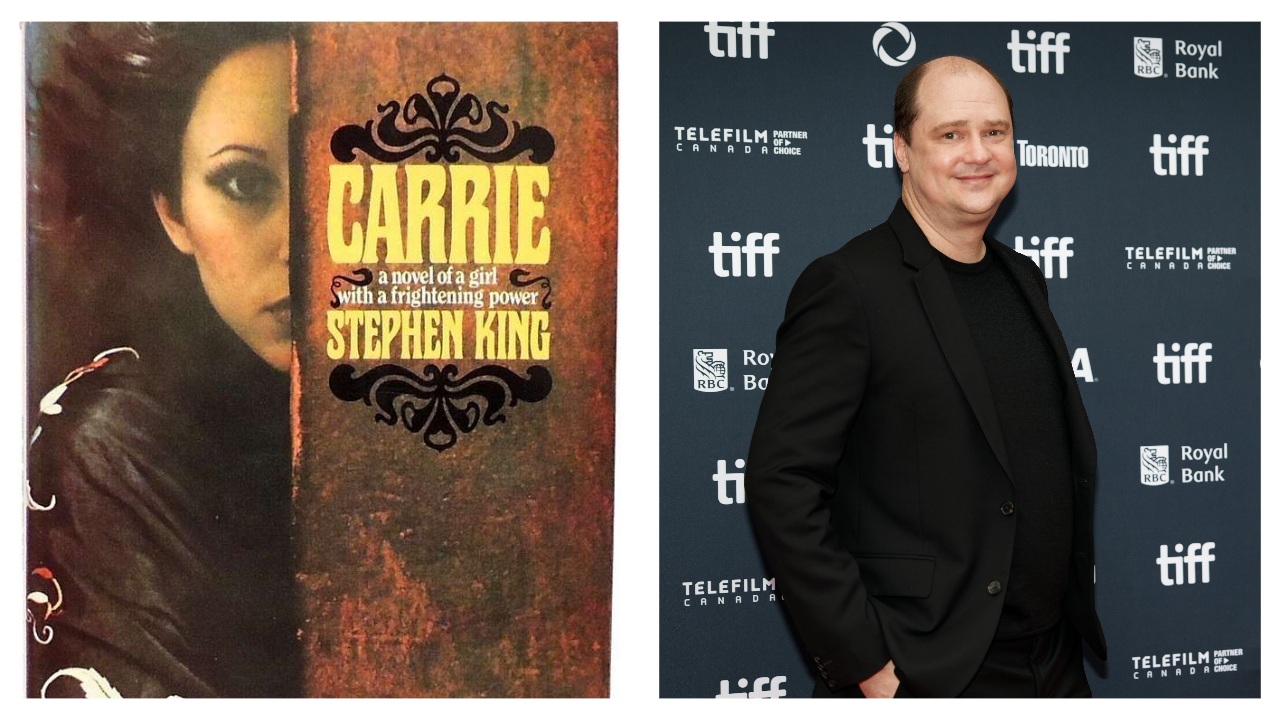
Carrie White returns in her blood-soaked prom dress in Prime Video’s TV adaptation of the beloved horror classic “Carrie” by Stephen King.
Directed by master storyteller of horror Mike Flanagan, “Carrie” is set to terrify viewers once more in an eight-episode drama that drops just in time for Halloween this October 7.
While the iconic story about a bullied girl who awakens dormant telekinetic powers has been told several times throughout the decades, Flanagan’s vision brings something else to the table: A modern retelling.
Carrie in the time of social media
Flanagan recently talked with Entertainment Weekly in an exclusive interview, where he said the themes of the novel – written and published more than half a decade ago – have remained relevant throughout the years.
The novel poses questions about kindness and cruelty, as well as bullying and school violence, but Flanagan took it a step further by making it more relatable to the audience through the added dynamic of social media and technology.
“[These themes] have become even more relevant today than [Stephen King] could have contemplated because of our relationship to technology and the degree to which violence encroaches on our high schoolers, especially in the United States,” he said.
A deeper exploration of mental health
Flanagan wanted the series to be a “heartfelt” exploration of mental health, especially in teenagers.
During the recent Comic-con, Flanagan explained how he transformed the material into a modern retelling, inviting several high schoolers into the writers room to discuss their real-life traumas.
Most of the youngsters revealed “shocking one-off situations or constant treatment and microaggressions and things that are not necessarily present themselves as targeted harassment,” according to Flanagan.
These situations have, however, helped shape the narrative of “Carrie”, giving Flanagan and the production a chance to delve into how the Internet could encourage cruelty or rewards, either celebrating it or amplifying it.
This is especially relevant, as governments around the world start discussing the impact of social media to teenagers.
Some nations, such as Australia and Malaysia, have begun curbing access of social media for certain age groups, while other countries are already following suit.
“Big surprise” in store
Carrie White will be portrayed by Summer H. Howell, who is no stranger to the horror genre after her performances in “Curse of Chucky” and “Cult of Chucky.”
Joining her are Samantha Sloyan, Siena Agudong Alison Thornton, Joel Oulette, Josie Tota, Arthur Conti, Thalia Dudek, Amber Midthunder, and Matthew Lillard.
Although “Carrie” is one of the most recognizable horror stories from King, Flanagan and the cast teased a “big surprise” for the audience in his adaptation.
“I think a lot of people think they know what the show is. And the biggest thing I’m excited about today is just knowing what a big surprise our Carrie is going to be,” he said.
“It certainly was to me.”
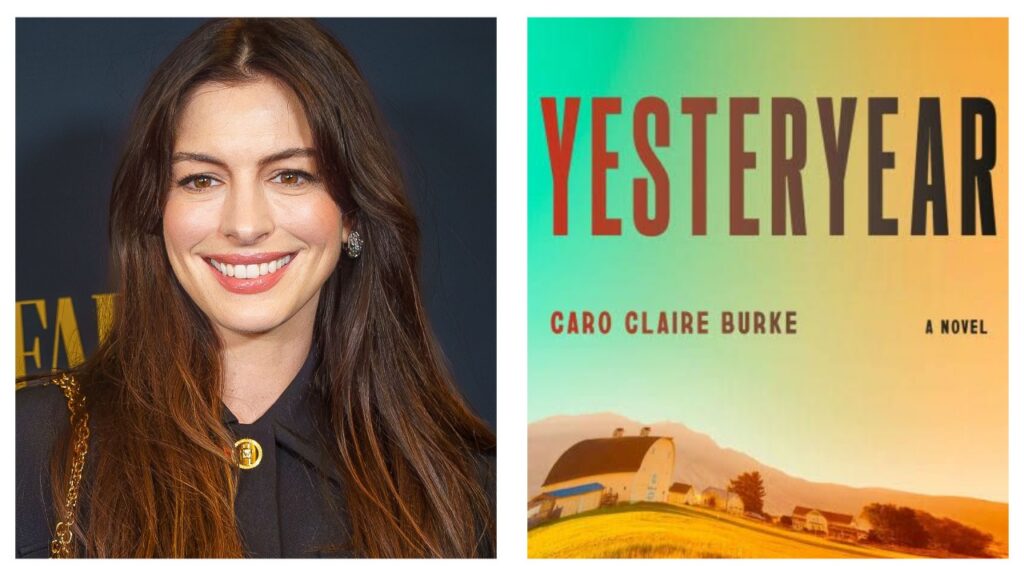
MORE FILM ADAPTATIONS: Film news: Anne Hathaway breaks her silence on ‘Yesteryear’ adaptation
Lasting legacy of Carrie
Released in 1974, “Carrie” was King’s first full-length novel, and arguably the story that helped kick-start his popularity as a horror writer.
But more than shaping King’s career, it was also one of the novels that helped revive the horror fiction genre in the mainstream.
In The New York Times special celebrating 50 years of “Carrie” in 2024, people cited the impact of King’s work on their lives – from getting under their skin to giving them the space to contemplate life itself.
Sissy Spacek, who played Carrie White in Brian De Palma’s film adaptation in 1976, said King “hit a nerve” with “Carrie,” saying:
“He created a story that gave face to the underdog, and after 50 years it still resonates.”
For photographer Robert Hickerson, watching De Palma’s adaptation showed him what horror could do.
“Carrie White was as much a victim as a villain, and while her actions were horrendous, they were understandable,” he said.
“King opened a door to how complicated monstrosity can be, which still permeates my entire practice. The images I make lovingly take the side of the monster.”
“Carrie” has endured the test of time with its several screen adaptations, but perhaps more than its iconic fixture in pop culture – who wouldn’t be terrified of an image of a girl wearing a blood-soaked dress? – its uncomfortable questions about bullying, empathy, and trauma are what makes Carrie White relevant, no matter which era she was born in.
READ NEXT: TV news: Netflix pulls plug on ‘Squid Game’ spinoff