
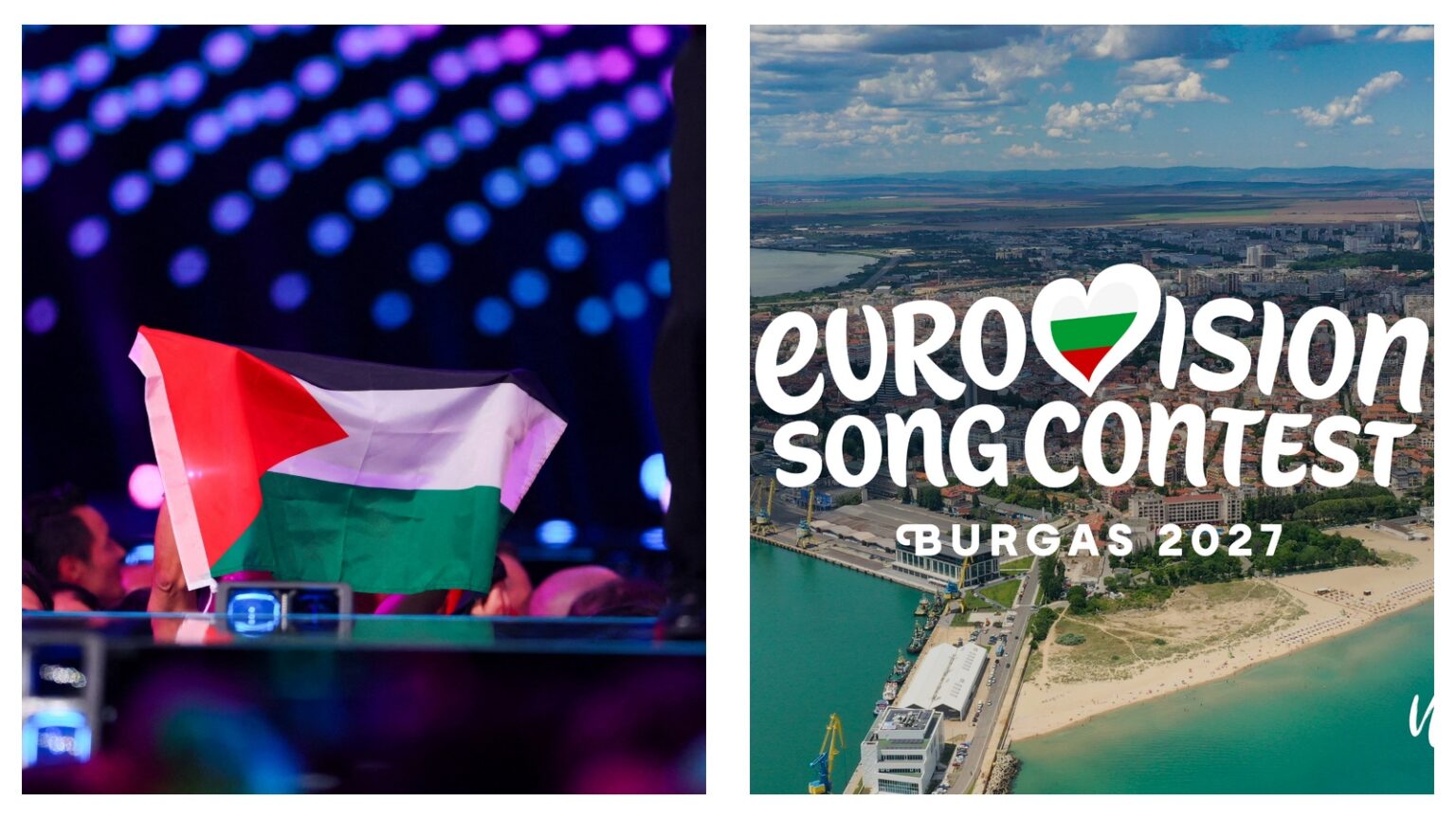
The Netherlands’ public broadcaster AVROTROS will withdraw from the 2027 Eurovision Song Contest.
The broadcaster announced the decision on Monday, August 24. It said Eurovision had become “a platform for division” amid growing disputes over Israel’s participation.
AVROTROS said recent changes from the European Broadcasting Union (EBU) had failed to restore its confidence in the contest’s independence.
One new rule prevents countries involved in armed conflicts from hosting Eurovision if they win. However, AVROTROS said the changes did not go far enough.
Broadcaster challenges contest’s neutrality
AVROTROS cited Israel’s continued participation as a key reason for its decision.
The broadcaster said international conflicts are increasingly affecting Eurovision. It argued that this development threatens the contest’s neutral character.
“It is undeniable that international conflicts are increasingly affecting the Contest, undermining its neutral character,” AVROTROS director-general Taco Zimmerman said, according to Agence France-Presse.
He added that Eurovision had therefore become “a platform for division”.
AVROTROS also pointed to the growing number of broadcasters that have opposed Israel’s participation.
Iceland, Spain, Ireland and Slovenia boycotted the 2026 contest after Israel remained eligible to compete.
AVROTROS also stayed away from the 2026 Eurovision Song Contest in Vienna. The Dutch broadcaster joined other public broadcasters that either withdrew or declined to air the event.

Gaza concerns deepen divisions
AVROTROS also highlighted the humanitarian situation in Gaza.
The broadcaster said the conflict and restrictions on press freedom had increased divisions around Eurovision.
“The severe humanitarian suffering in Gaza and the ongoing restrictions on press freedom have contributed to increasing divisions surrounding the Eurovision Song Contest in recent years,” AVROTROS said, according to the BBC.
Israel has also remained highly competitive in the contest. The country finished as runner-up in two consecutive years.
Noam Bettan recently secured second place for Israel.
The 2026 Eurovision Song Contest attracted about 131 million viewers. According to AFP, that figure was around 35 million lower than the previous year.
The drop came after several countries and broadcasters backed boycotts of the contest.
EBU seeks alternative Dutch participant
Zimmerman described AVROTROS’s decision as painful.
However, he said the broadcaster would continue to follow its values, even if that meant leaving an event it has supported for decades.
“They guide us in everything we do, even when that means stepping away from an event that is very close to our hearts,” Zimmerman said.
Meanwhile, Eurovision director Martin Green said the EBU regretted AVROTROS’s decision.
He said the organisation respected the broadcaster’s position and would continue discussions with NPO, the umbrella organisation for Dutch public service media.
“We very much hope that audiences and artists in the Netherlands can continue to be represented in the Eurovision Song Contest,” Green said, according to the BBC.
The 2027 Eurovision Song Contest is scheduled for May 15 in Burgas, Bulgaria.
The event will mark Bulgaria’s first time hosting Eurovision after Bulgarian singer Dara won the 2026 contest in Vienna.
The Netherlands has participated in Eurovision since the first edition in 1956.
The country has won the competition five times. Its most recent victory came in 2019, when Duncan Laurence won with “Arcade”.
AVROTROS’s withdrawal now leaves questions about who could represent the Netherlands in Eurovision 2027.
The EBU will continue talks with Dutch public media officials as it looks for a possible alternative broadcaster.
READ NEXT: Germany becomes world’s fourth-largest military spender amid European security fears